Product catalog

catalog

of products

A knowledge centralization hub to reduce dependencies and increase operational autonomy.

UX project focused on organizing technical information, structuring data, improving findability, and enhancing operational efficiency.

Enterprise
Víssimo Group
Product
Internal wine label catalog
Users
Sommeliers, Commercial, SAC, Marketing
My role
Product Designer
Year
Q2/2024
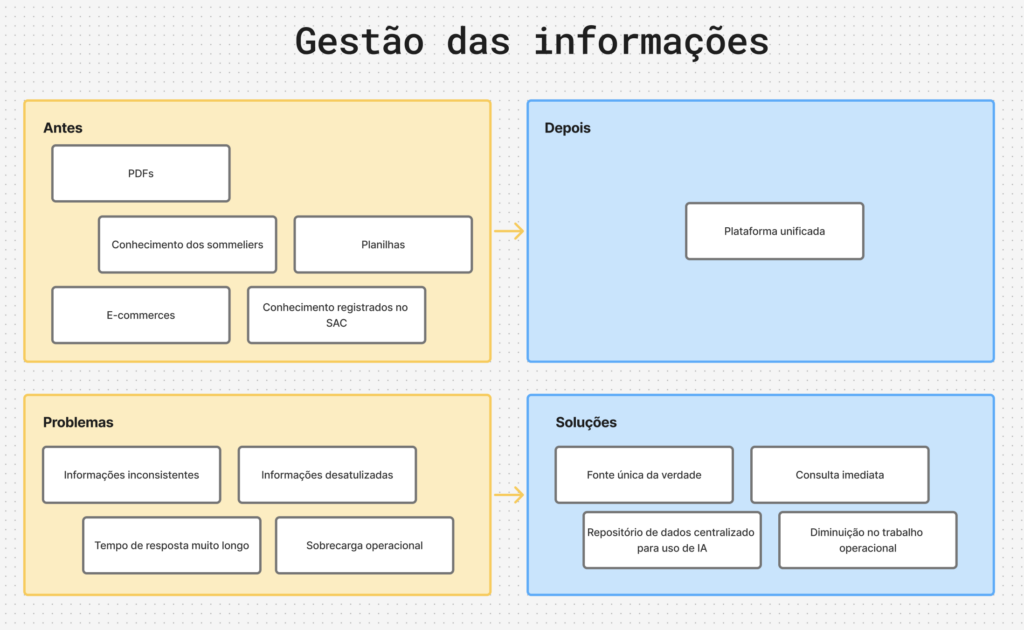
Esquema visual - antes e depois

Context

Víssimo Group is a wine importer and distributor that operates with an extensive portfolio of labels for different channels: Grand Cru Stores and Ecommerce, Evino Stores and Ecommerce, and B2B. This type of beverage requires highly specialized technical and commercial information.

The data regarding the wines was scattered across technical sheets in different languages, isolated documents, and tacit knowledge concentrated mainly within the sommelier team.

The catalog was designed as a internal tool, with the possibility of Sharing technical specifications with B2B clients, ensuring consistency and reliability of information.

Solution

The decentralization of information generated direct impacts such as:
• Excessive reliance on the sommelier as the "sole source of truth";

• These professionals are overburdened with recurring and operational demands;

• Difficulty in accessing information from different departments;

• Lack of confidence in departments such as Sales, Marketing, and Customer Service regarding the ability to disseminate information correctly and reliably;

• Risk of inconsistent communication about the products;

My role

I worked as a Product Designer, responsible for leading information architecture, facilitating its construction with stakeholders of varying expertise levels, and leading the structuring of the information architecture and ensuring the platform's usability through the design of a search, filtering, and navigation experience.

UX Challenge

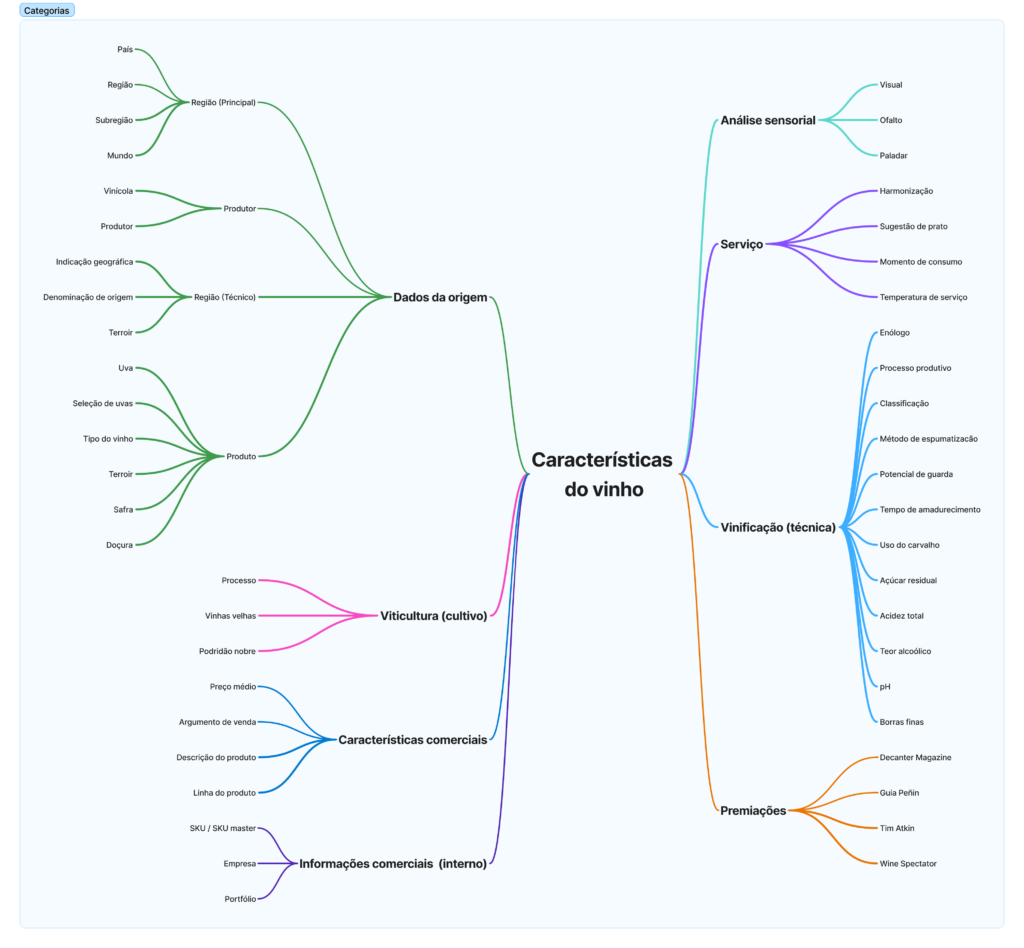
To create a solution capable of organizing more than 80 categories of information, ranging from highly technical aspects to qualitative data, maintaining technical depth without compromising comprehension and discoverability for less specialized users. In addition, it facilitates visualization through a hierarchical organization of the data.

1.

information architecture and content hierarchy

The categories were defined through a collaborative process of card sorting, This allowed us to gather the main end users of the catalog and understand how they view this data and what they consider most important (hierarchy).

This ensured that the final structure reflected diverse mental models, making the catalog useful beyond a specialist audience.

2.

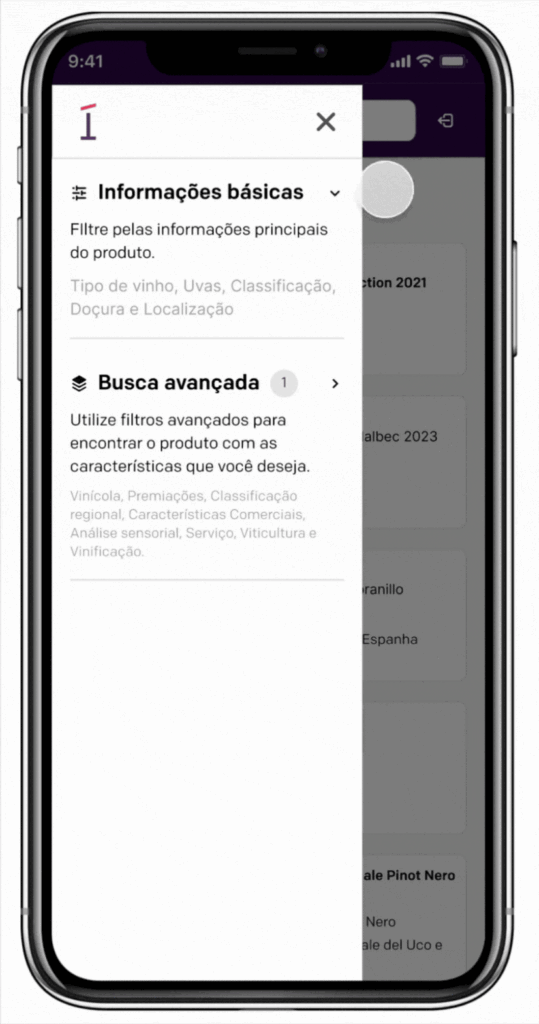
discoverability and filters

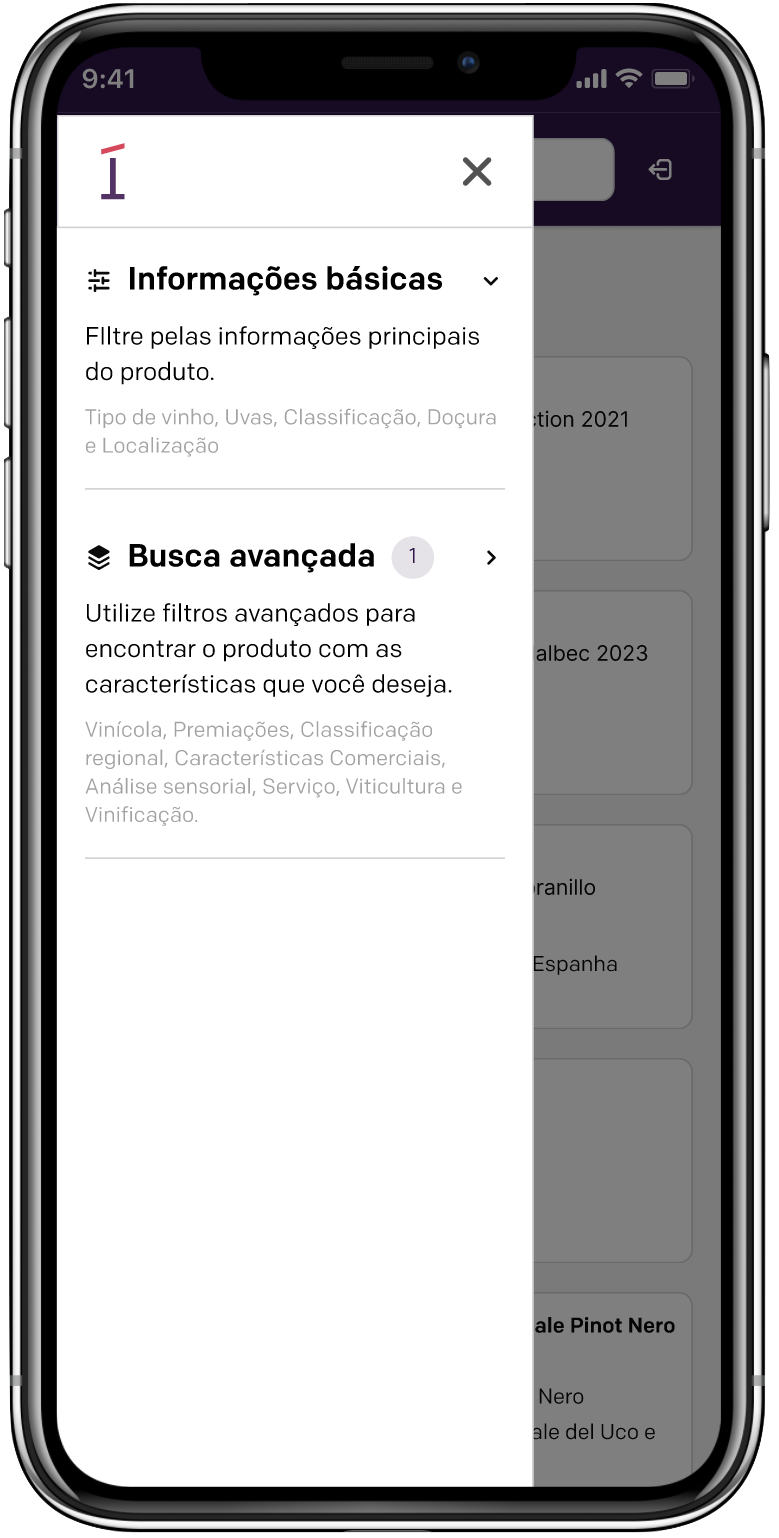
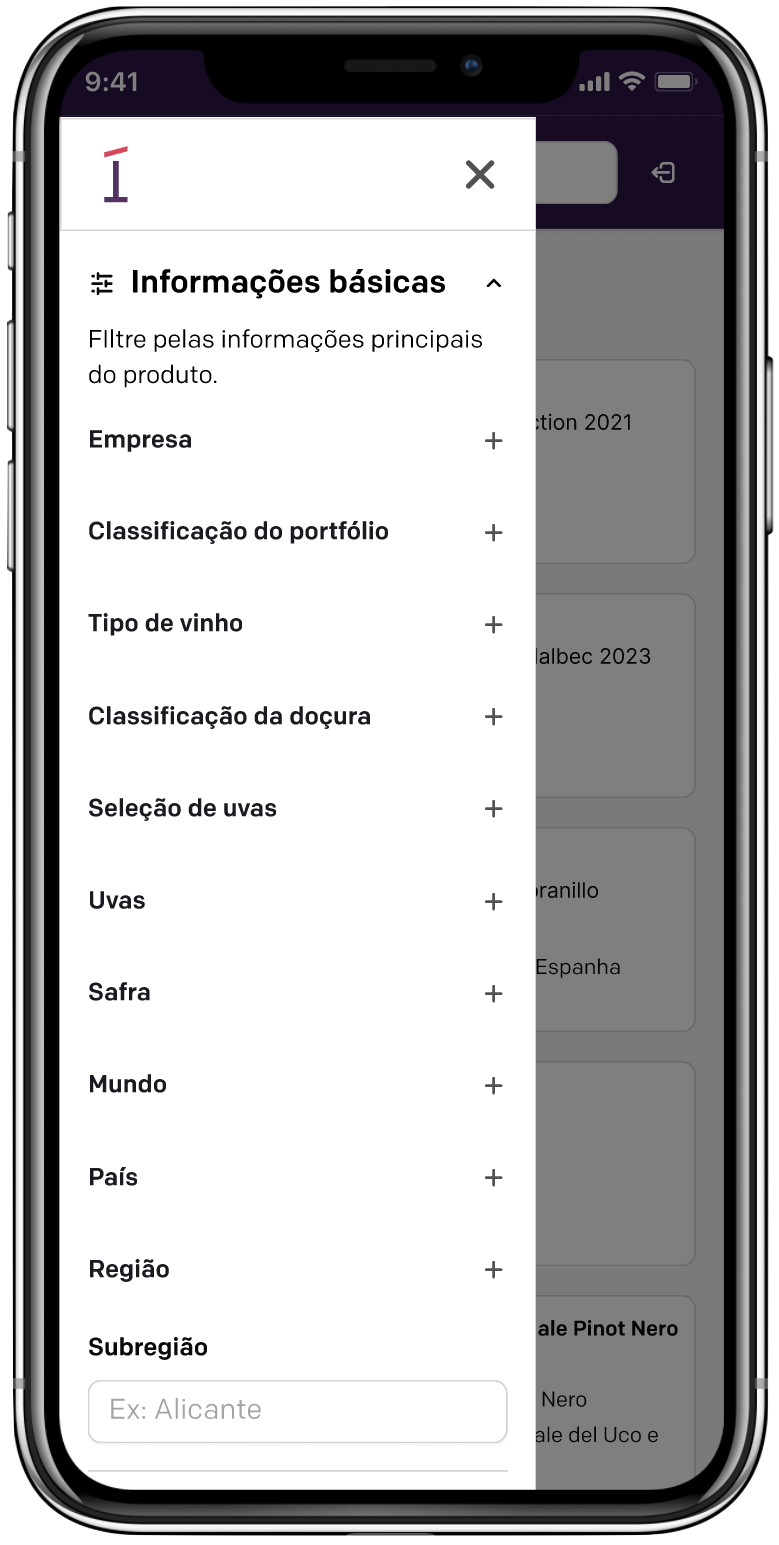
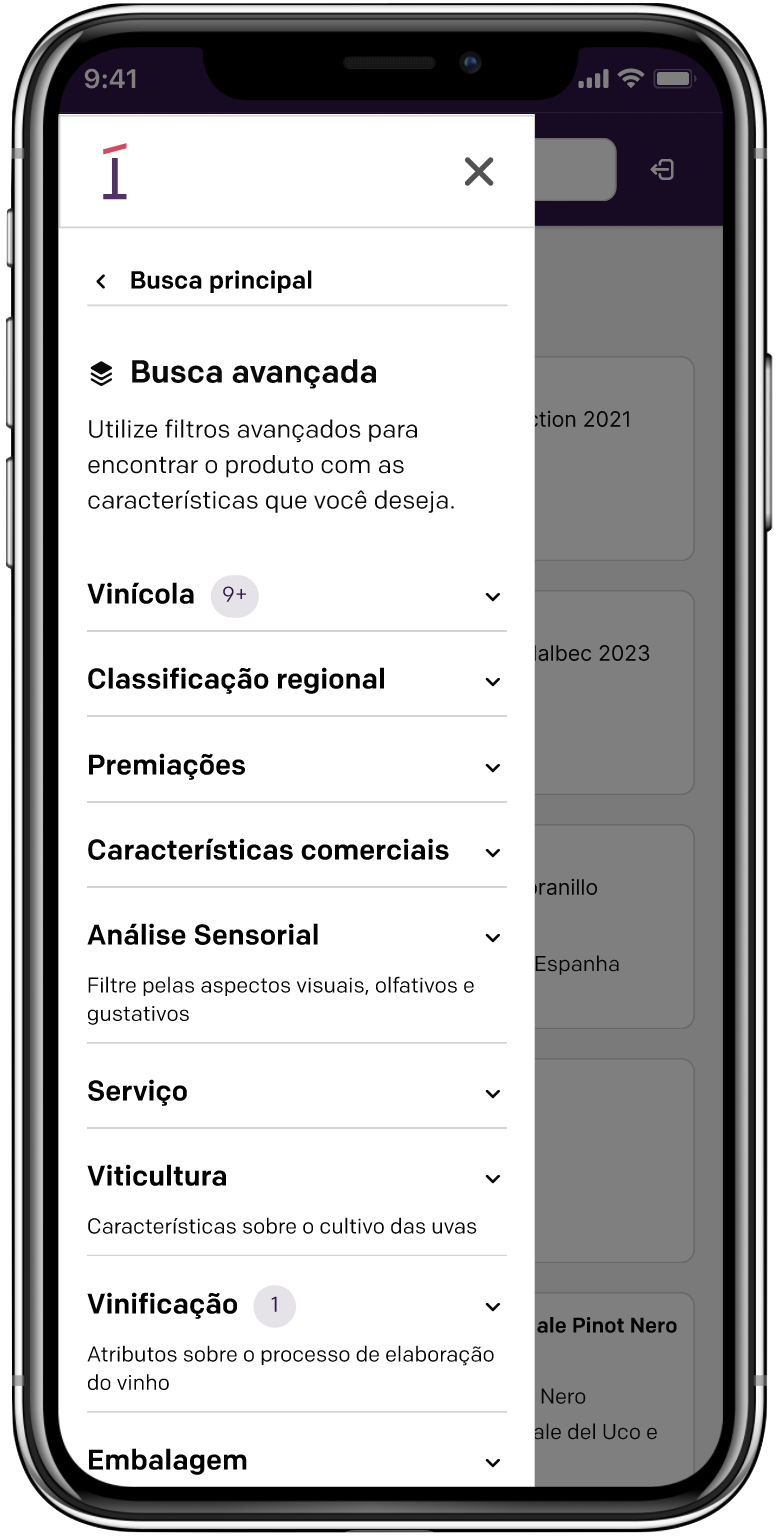
• Defining filters with a clear hierarchy

• Reducing redundancies and ambiguity through captions for highly technical terms.

• Filters designed as decision support tools, not just search refinement

3.

usability

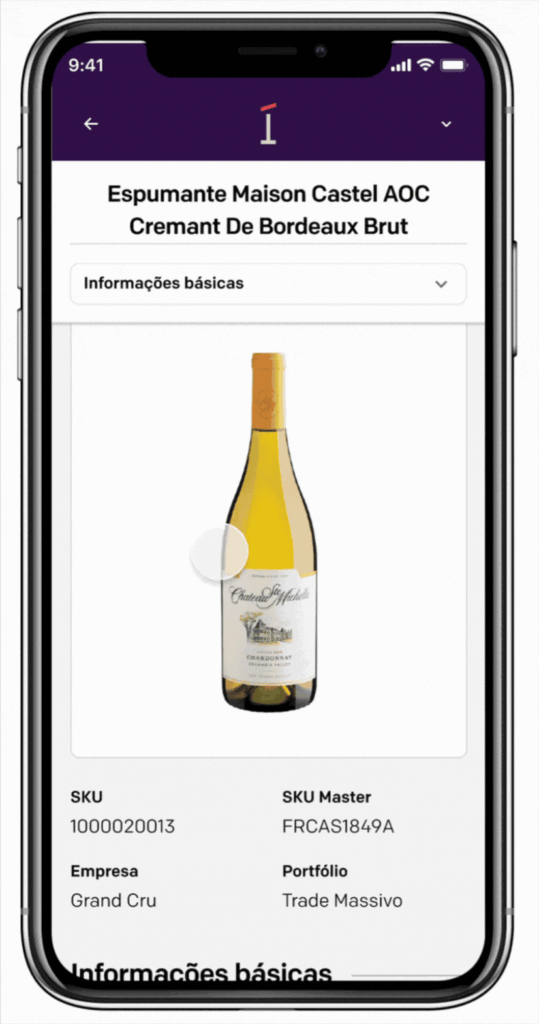
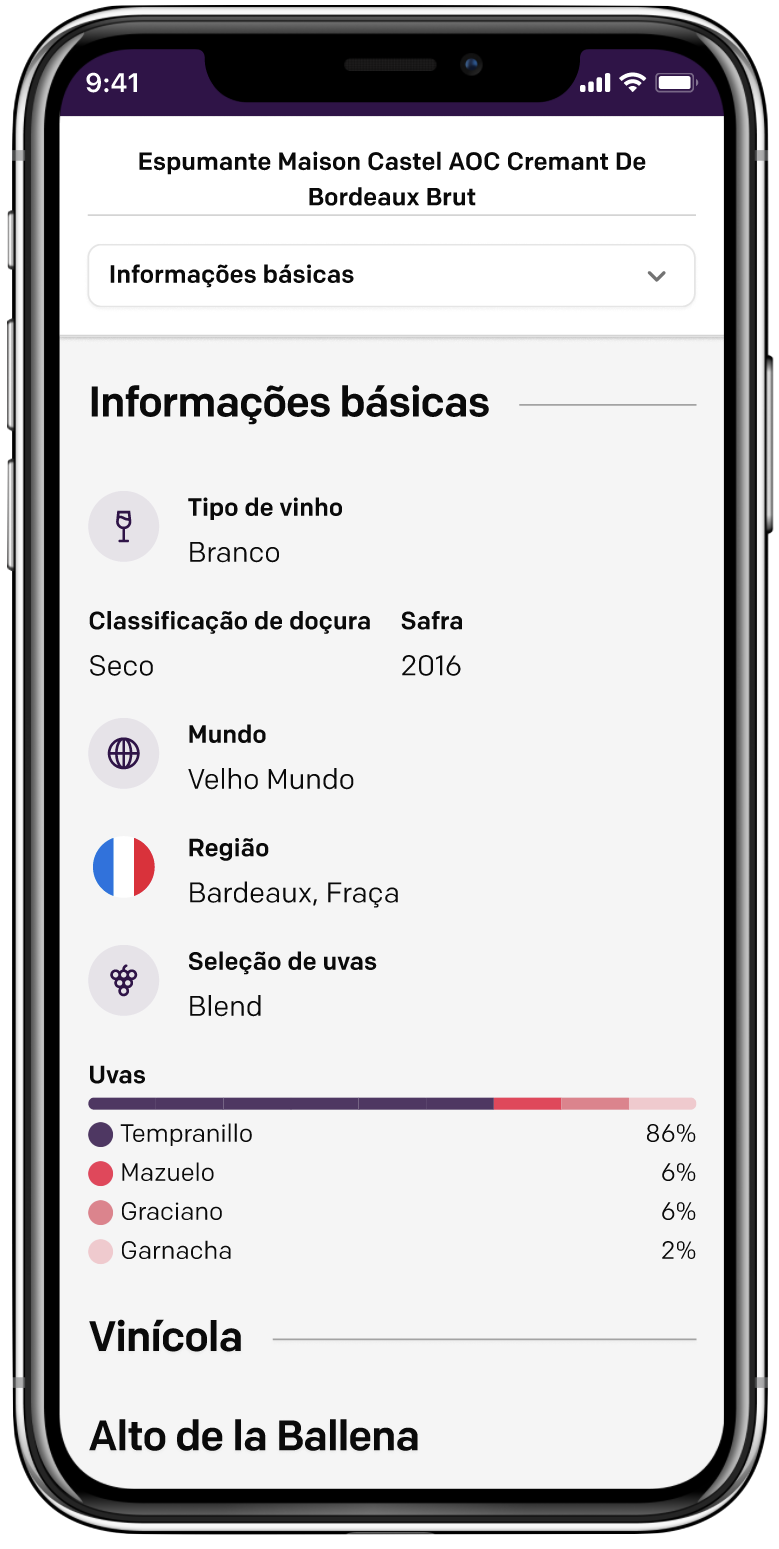
• Datasheet pages designed for immediate reference with quick shortcuts

• Reduction of cognitive load

• Functional interface, prioritizing clarity and efficiency in daily use.

Key design decision

Simplify access to content without compromising access to information.

The main trade-off of the project was balancing technical precision e quick consultation for audiences with varying levels of knowledge.

Instead of removing information, the decision was... organize access to content:
• More relevant information received greater visual and hierarchical prominence.
• Highly technical data was retained, but presented in a more discreet manner.

To avoid cognitive overload, the filters were divided between Main Search e Advanced Search, with prioritization guided by collaborative dynamics (card sorting e dot voting), considering frequency of use and practical relevance.

In the language used, commonly used terms were prioritized, with support from explanatory captions when necessary, even when it required making trade-offs regarding more rigorous technical nomenclature.

Below are some excerpts from the interface that illustrate how the architectural, hierarchy, and findability decisions materialized in the product.

Results and impact

After the catalog implementation:

• Sommeliers have significantly reduced recurring requests, freeing up time for strategic activities;

• Operational teams began consulting the catalog directly, with Trust in information as an official source;

• Response times for internal and external inquiries have become immediate;

• The Customer Service department expanded its advisory role, using searches for similar labels to support its service;

• The catalog has become established as central information hub, serving as a basis for future developments.

Product evolution

The catalog became the foundation for an AI-powered label recommendation system, reinforcing its role as a data and knowledge infrastructure within Víssimo's product ecosystem.

This project reinforced the role of design as a mediator between specialized knowledge and practical use. The Víssimo Catalog not only organized existing information but redefined how knowledge circulates internally, reducing dependencies, increasing autonomy, and creating a foundation for advancements such as AI-powered recommendation systems.